
IntExt Concepts designs and installs wall panelling, TV units, wall moulding and false ceilings across South Delhi, Gurugram and Noida. These are the elements that decide whether a finished room looks designed or just painted — and they are also where most of the visible cost of an interior sits.
We work from our Chhatarpur studio and handle both design and installation. Carpentry, electrical, ceiling and finishing are our own team, so the TV unit, the ceiling above it and the lighting inside it are planned together rather than by three people who never meet.
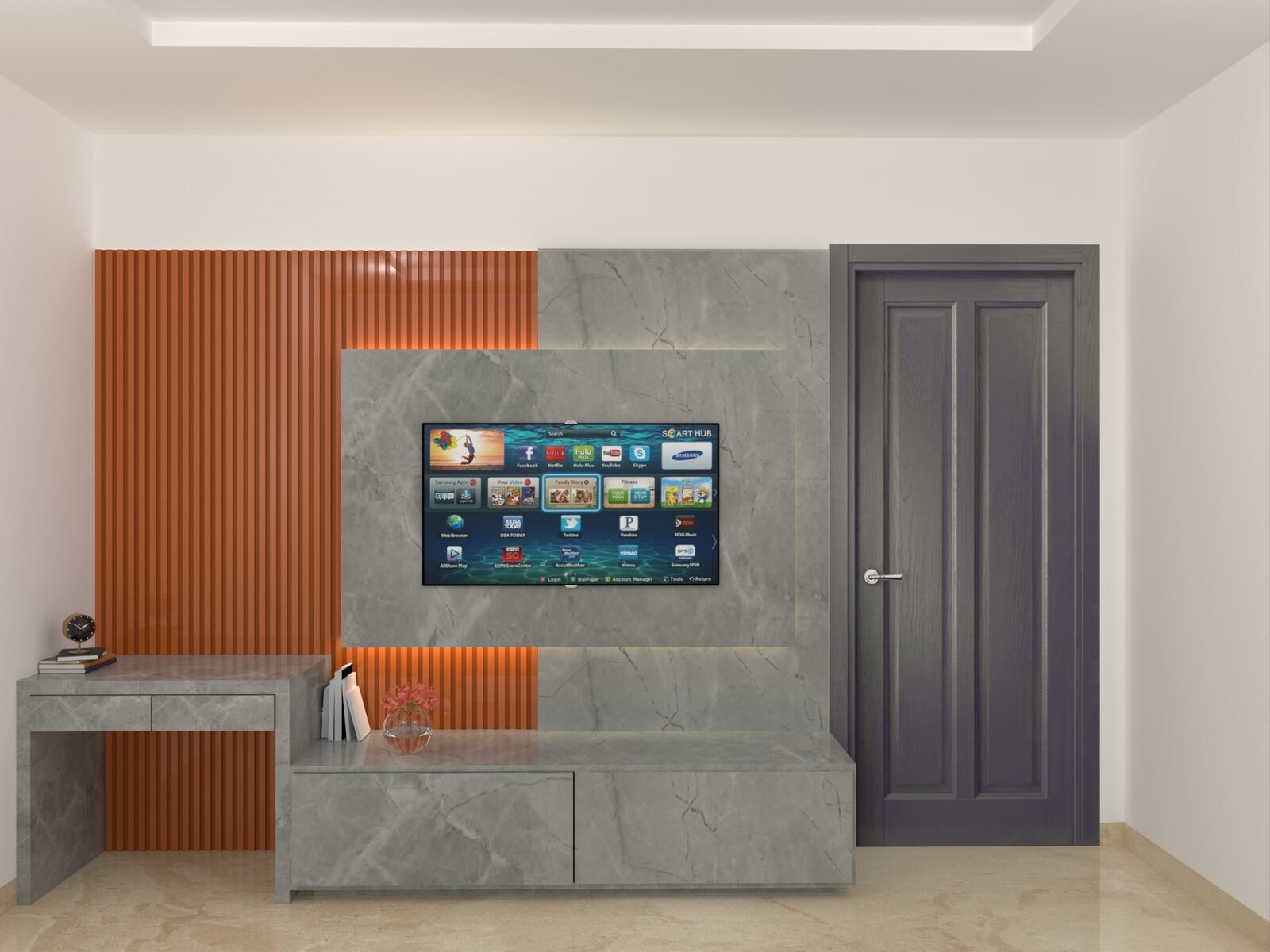
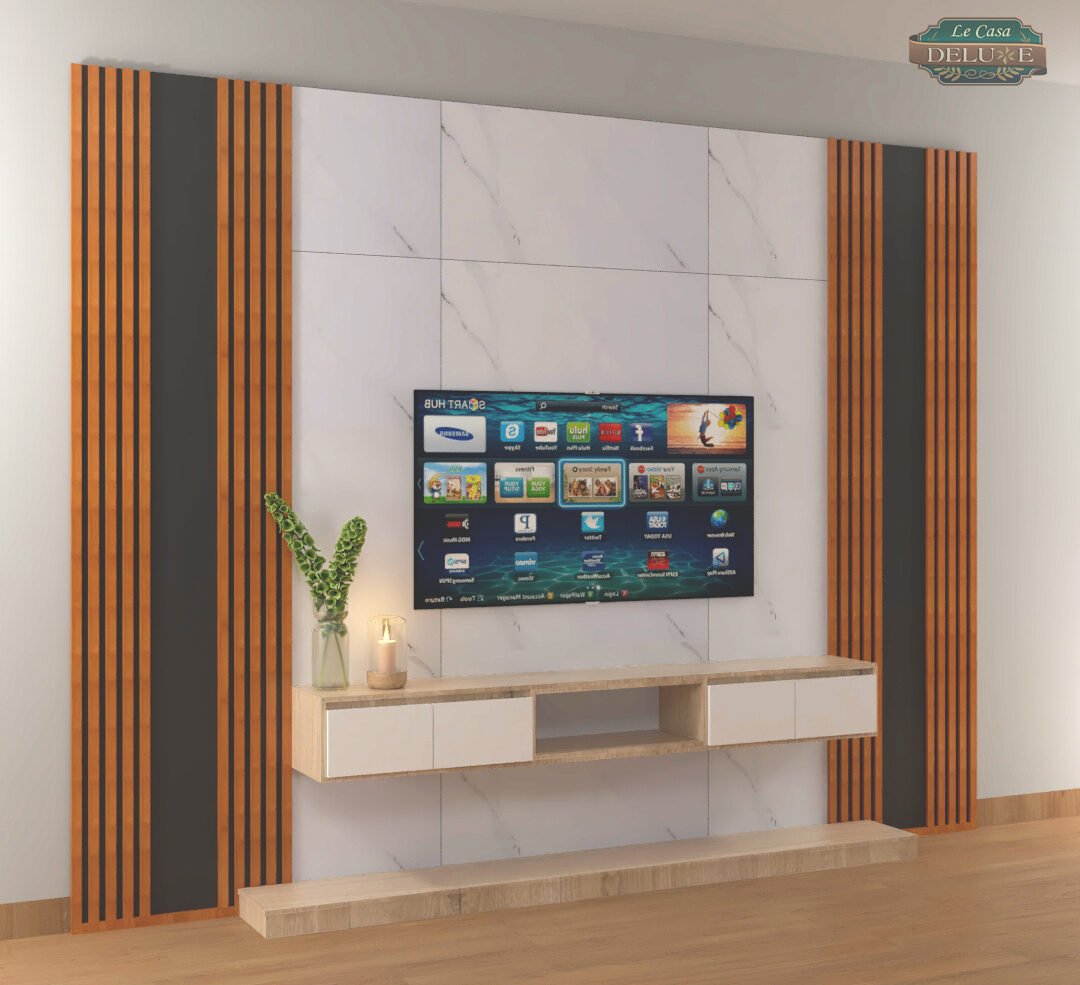
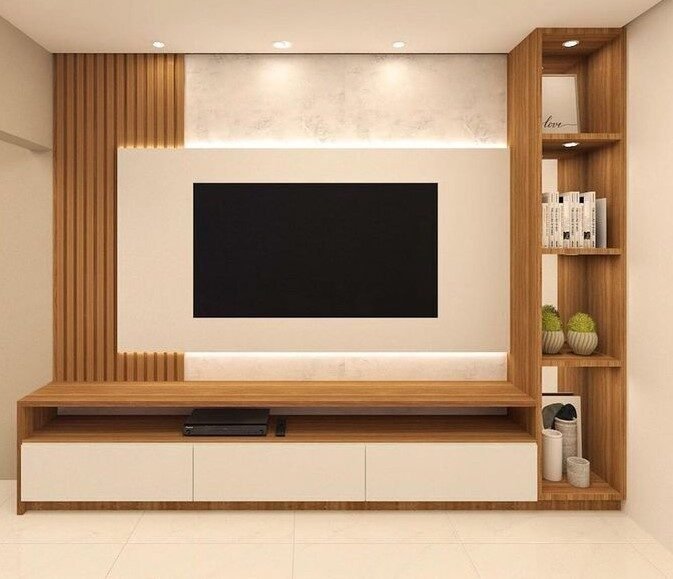
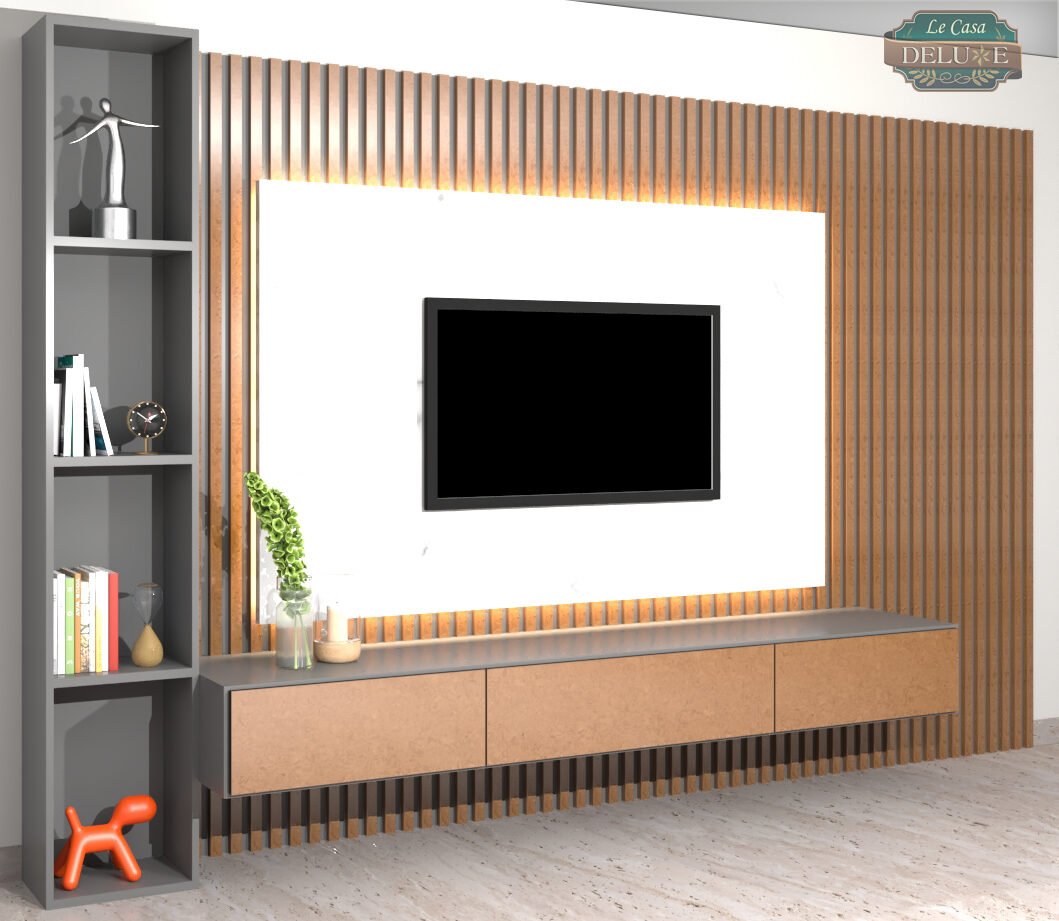
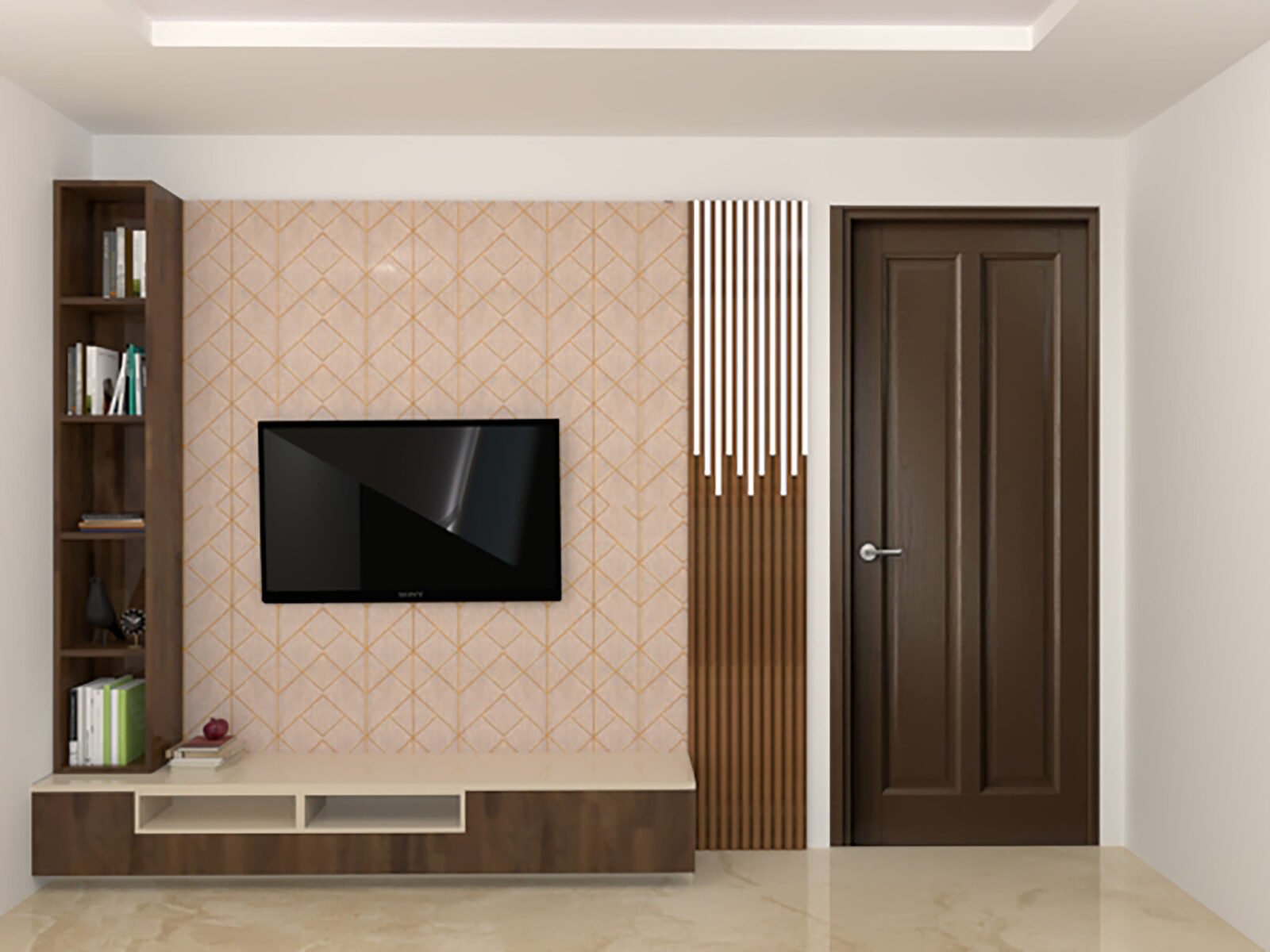
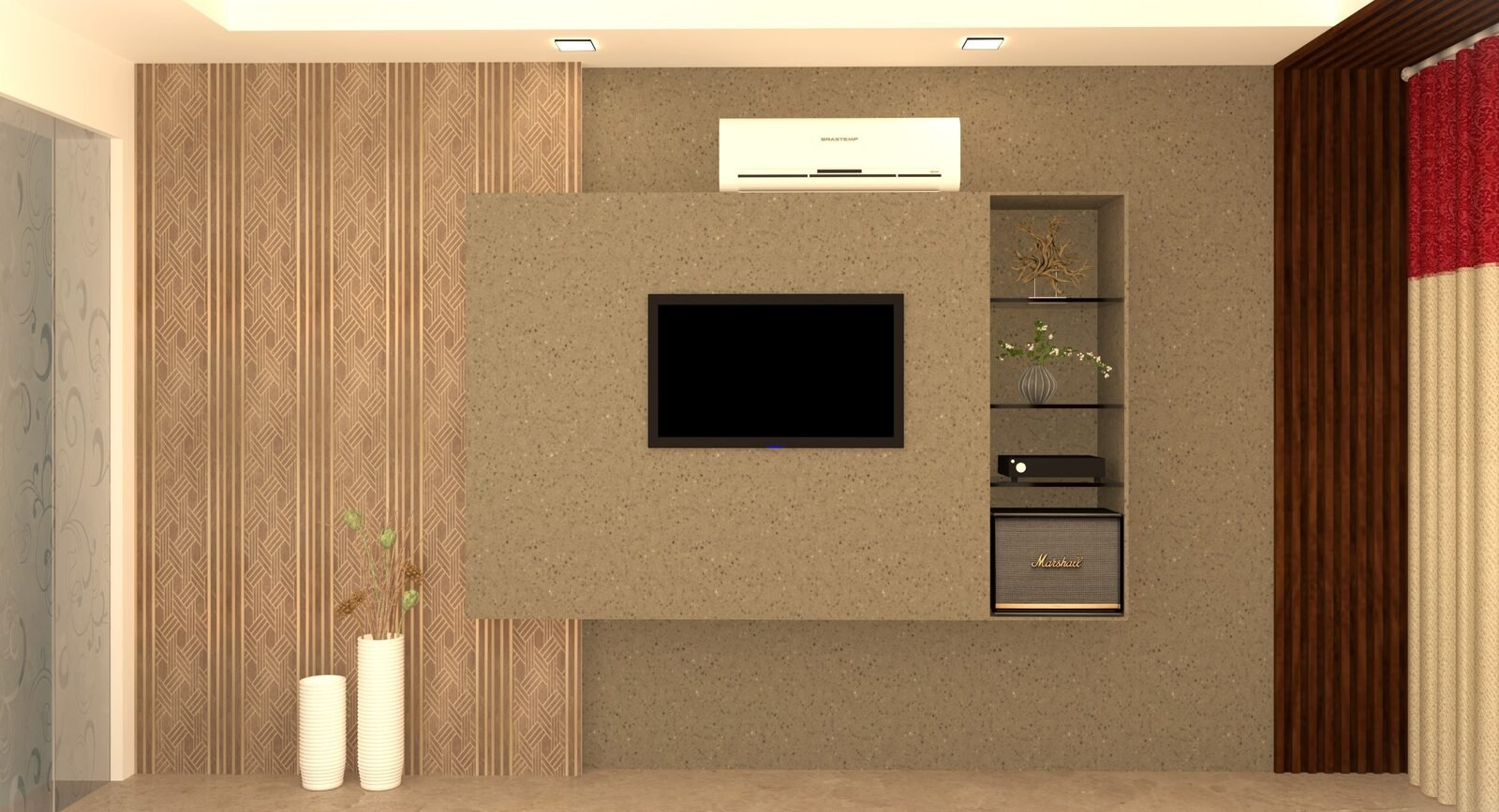
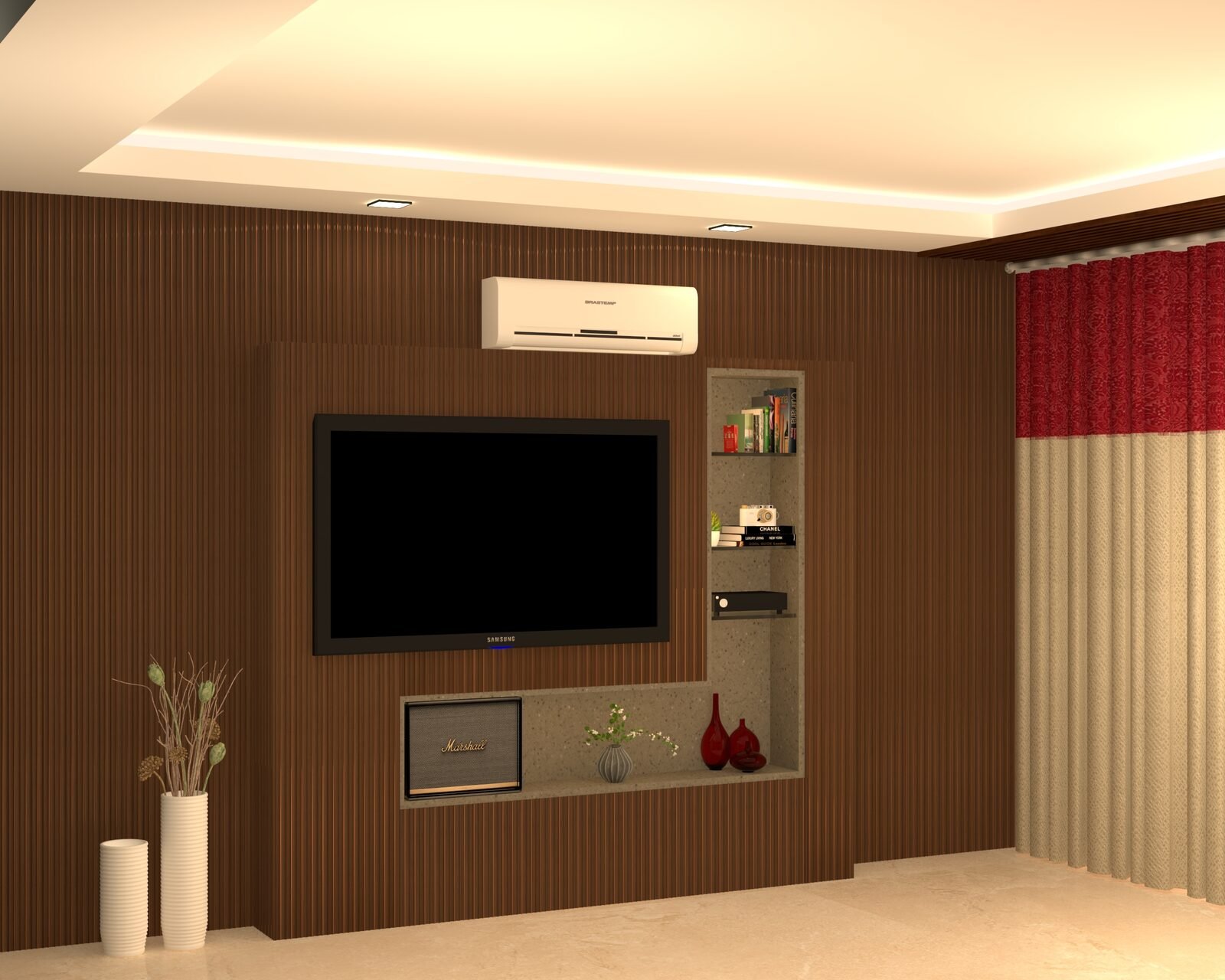
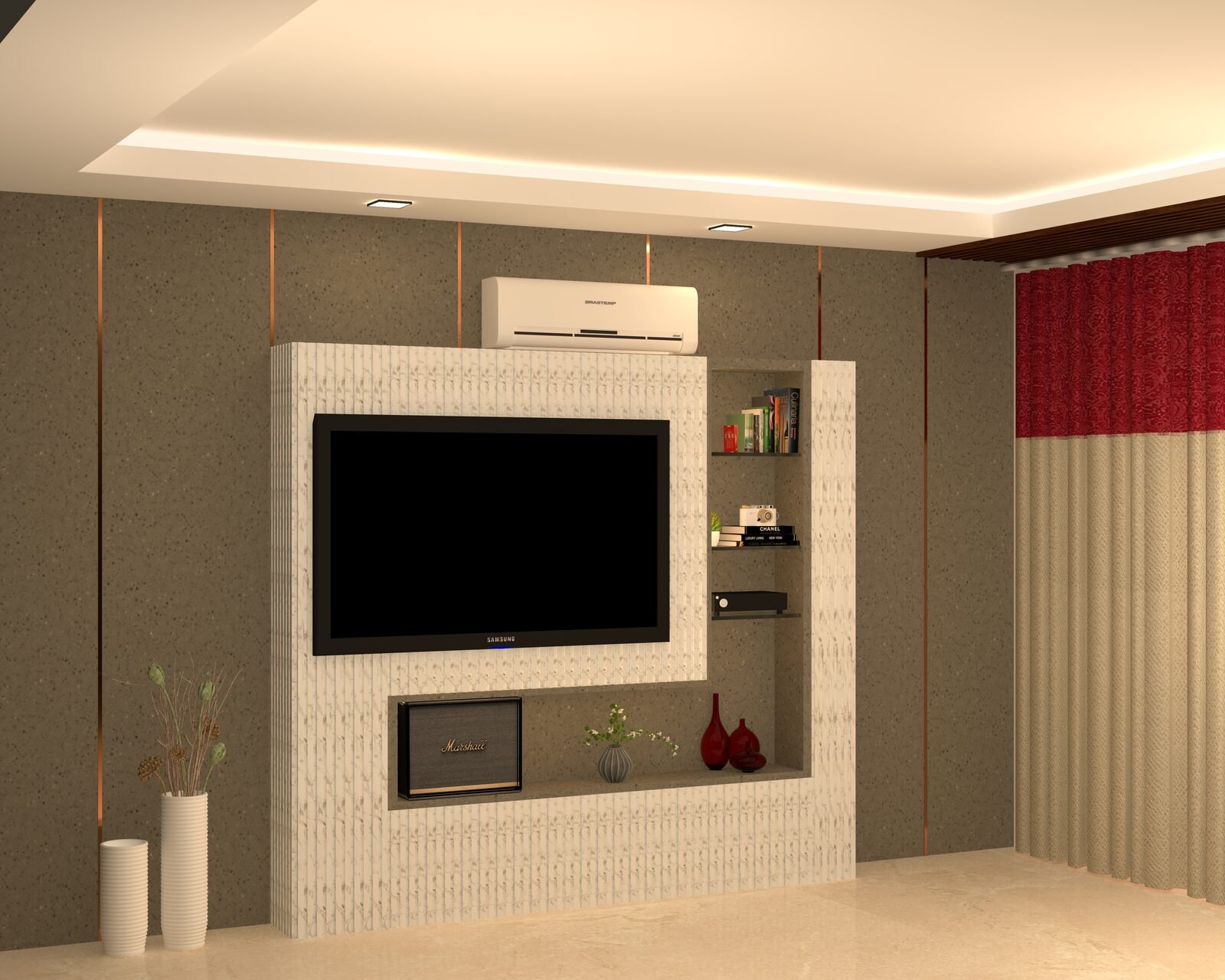
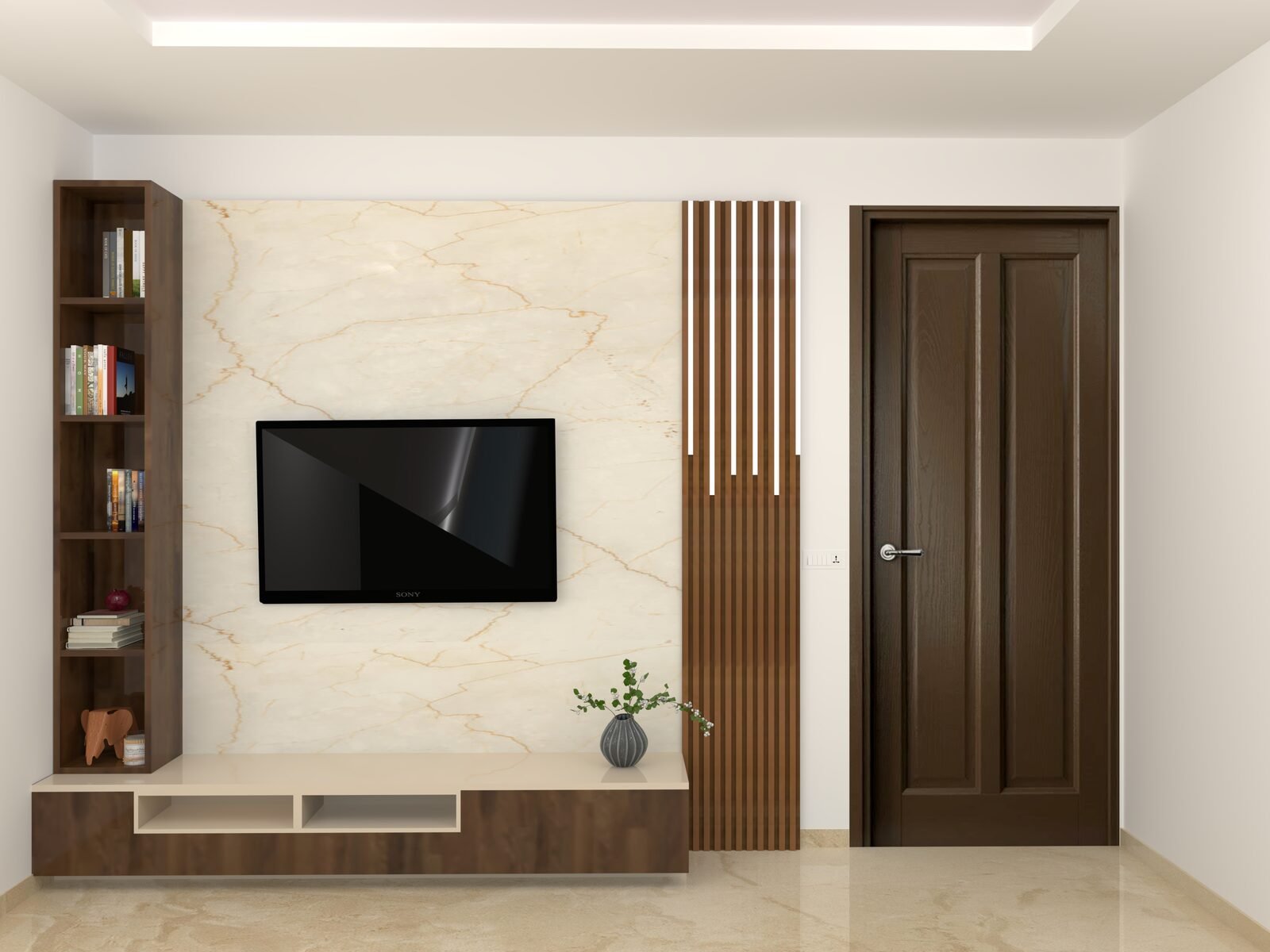
TV units and media wall design
A TV unit is the one piece of joinery everyone in the house looks at every evening, so it carries the room. The two things that go wrong most often are cable management and heat — a beautiful panel with a visible HDMI loop, or a closed cabinet that cooks the set-top box. We plan conduits, ventilation and socket positions at drawing stage.
- Wall-mounted and floor-standing units in veneer, laminate, acrylic and duco finish
- Integrated storage, drawers and display niches
- Concealed conduiting for HDMI, power and speaker cable
- Backlit and profile lighting built into the panel
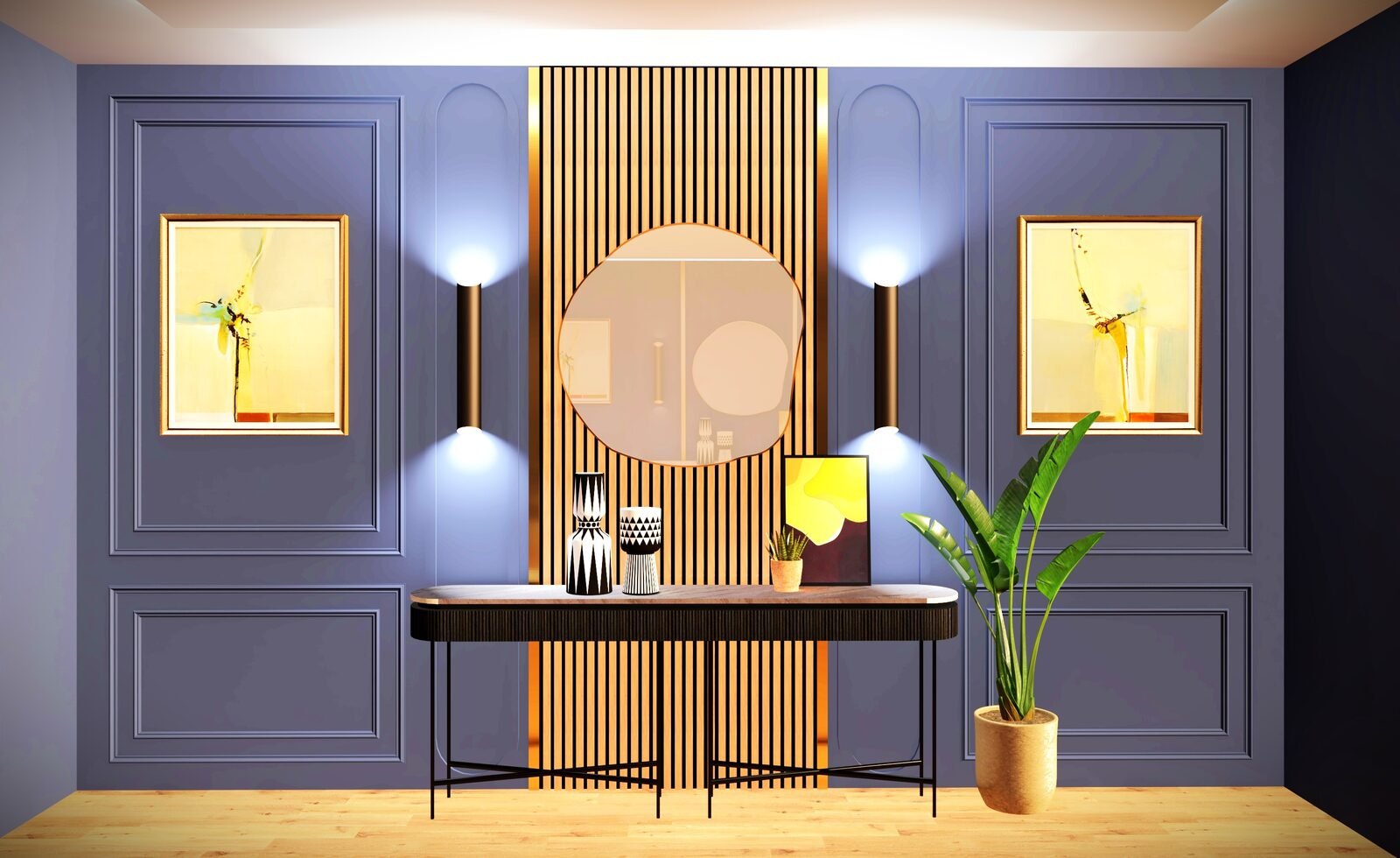
- Fluted, louvered and slat panel backdrops
Wall moulding and panelling
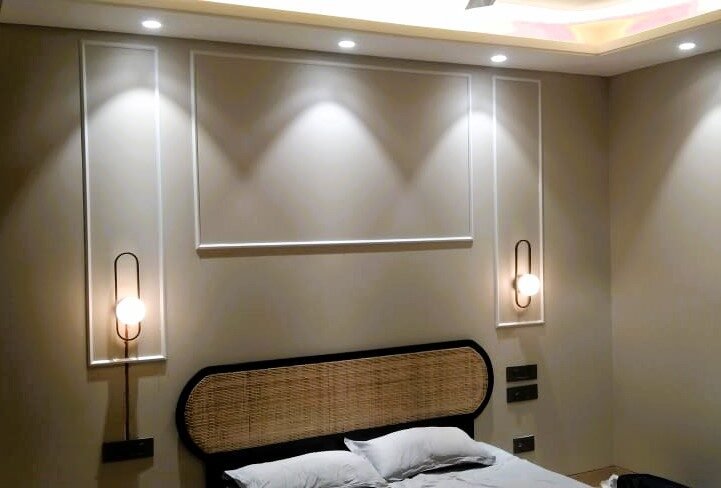
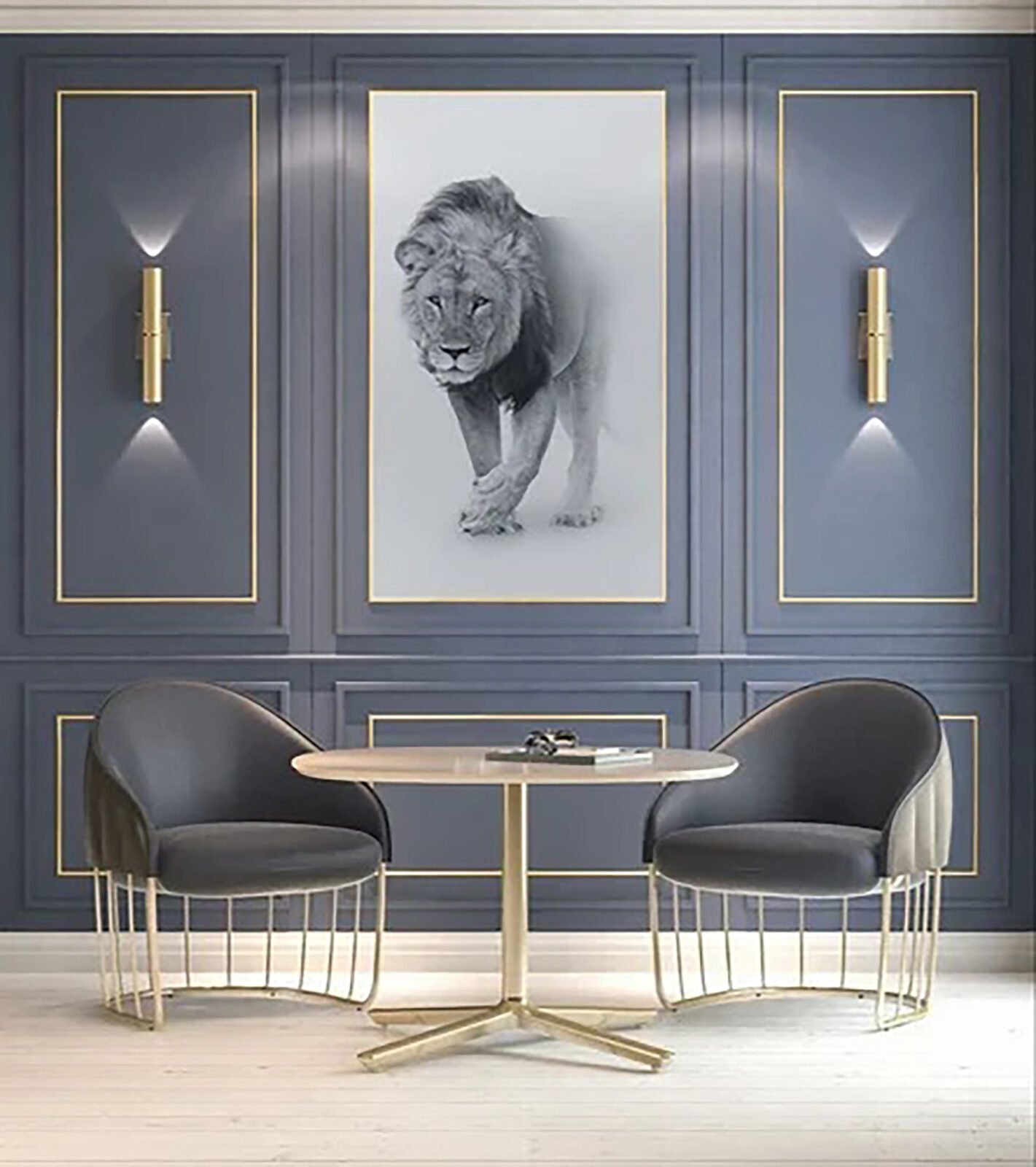
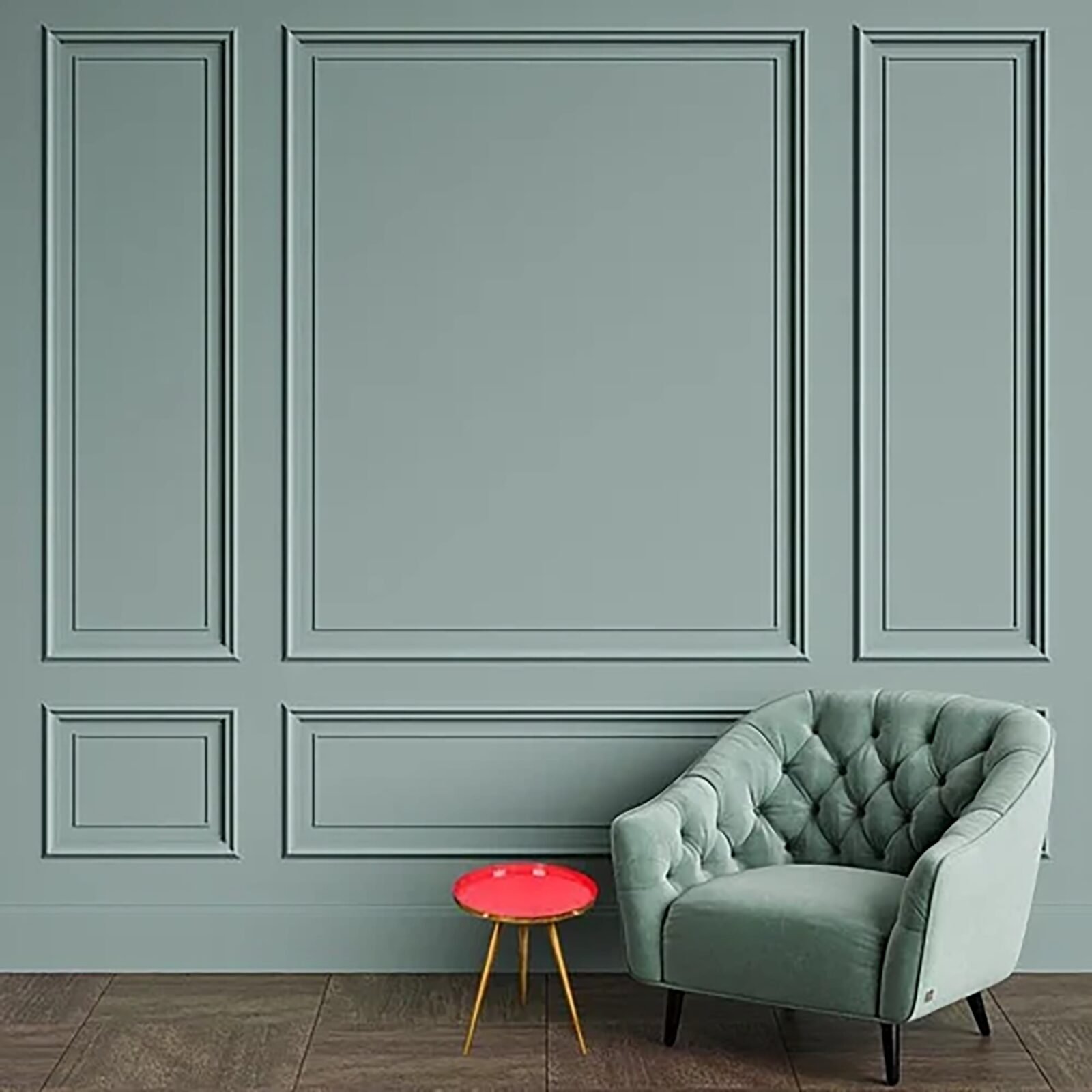
Moulding is the cheapest way to make a plain wall look considered, and the easiest thing to get wrong. Proportion decides everything — panel height against ceiling height, frame width against room size, spacing between panels. A moulding layout copied from a Pinterest photo taken in a 12-foot-ceiling room will look squat in a standard Delhi flat with a 10-foot ceiling.
- PU and WPC moulding — moisture-safe, does not warp, the practical default
- MDF moulding — sharper profiles, suited to dry rooms only
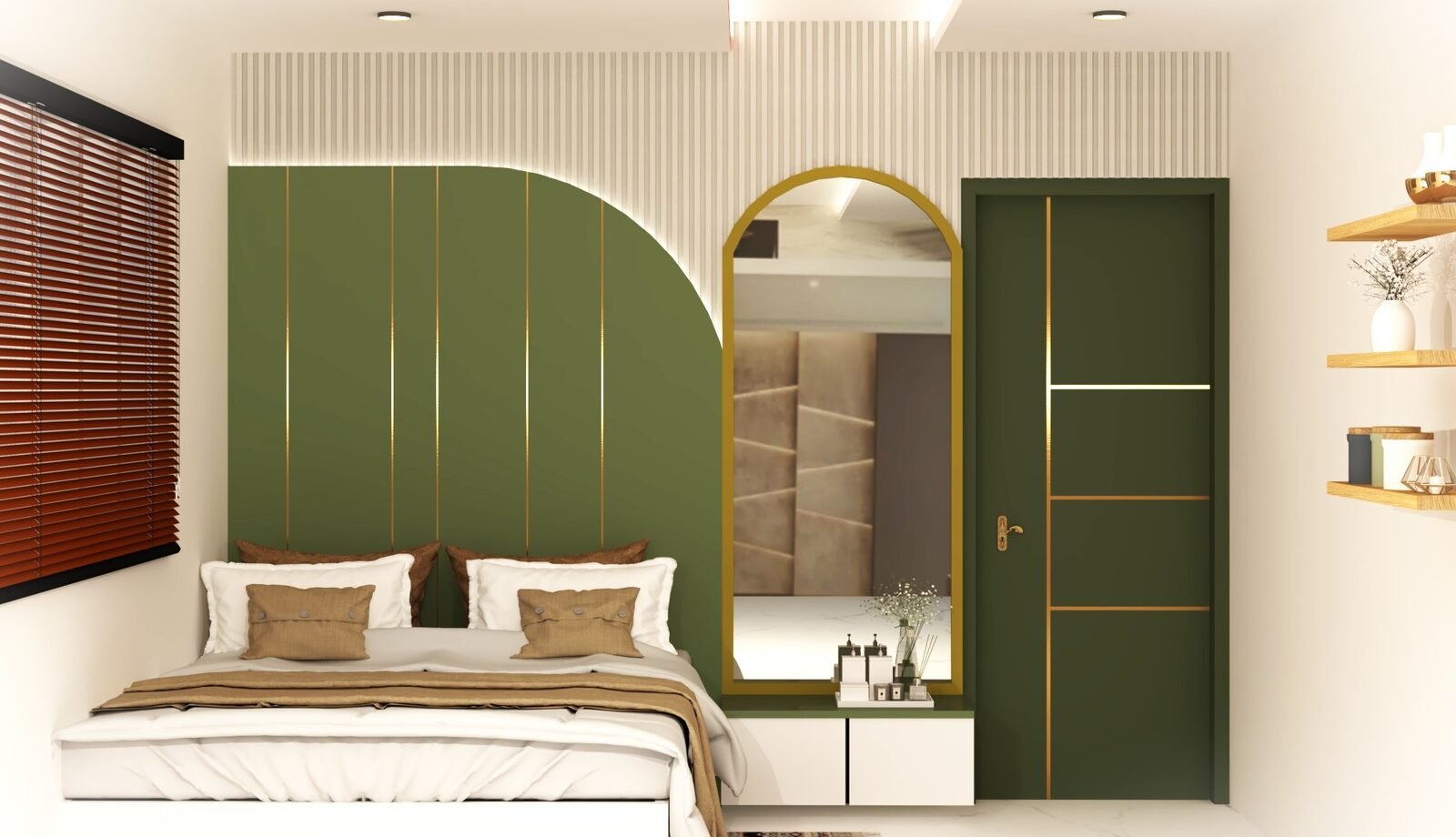
- Fluted and slat panelling — for feature walls and headboard backdrops
- Full-height panelling — living and dining walls where the panel becomes the finish
- Paint and polish — panel and wall finished together so the join disappears
Wall covering and feature walls
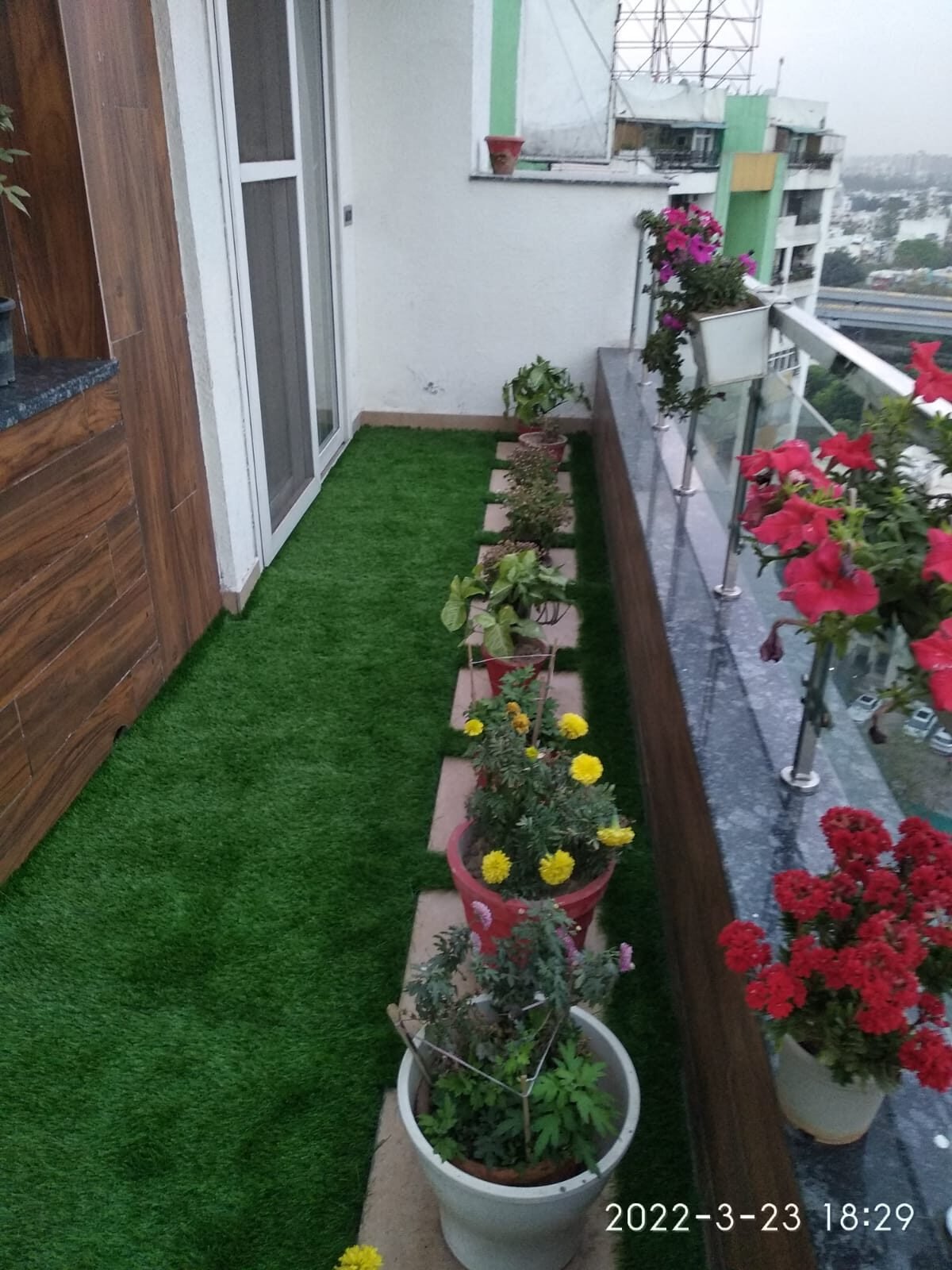
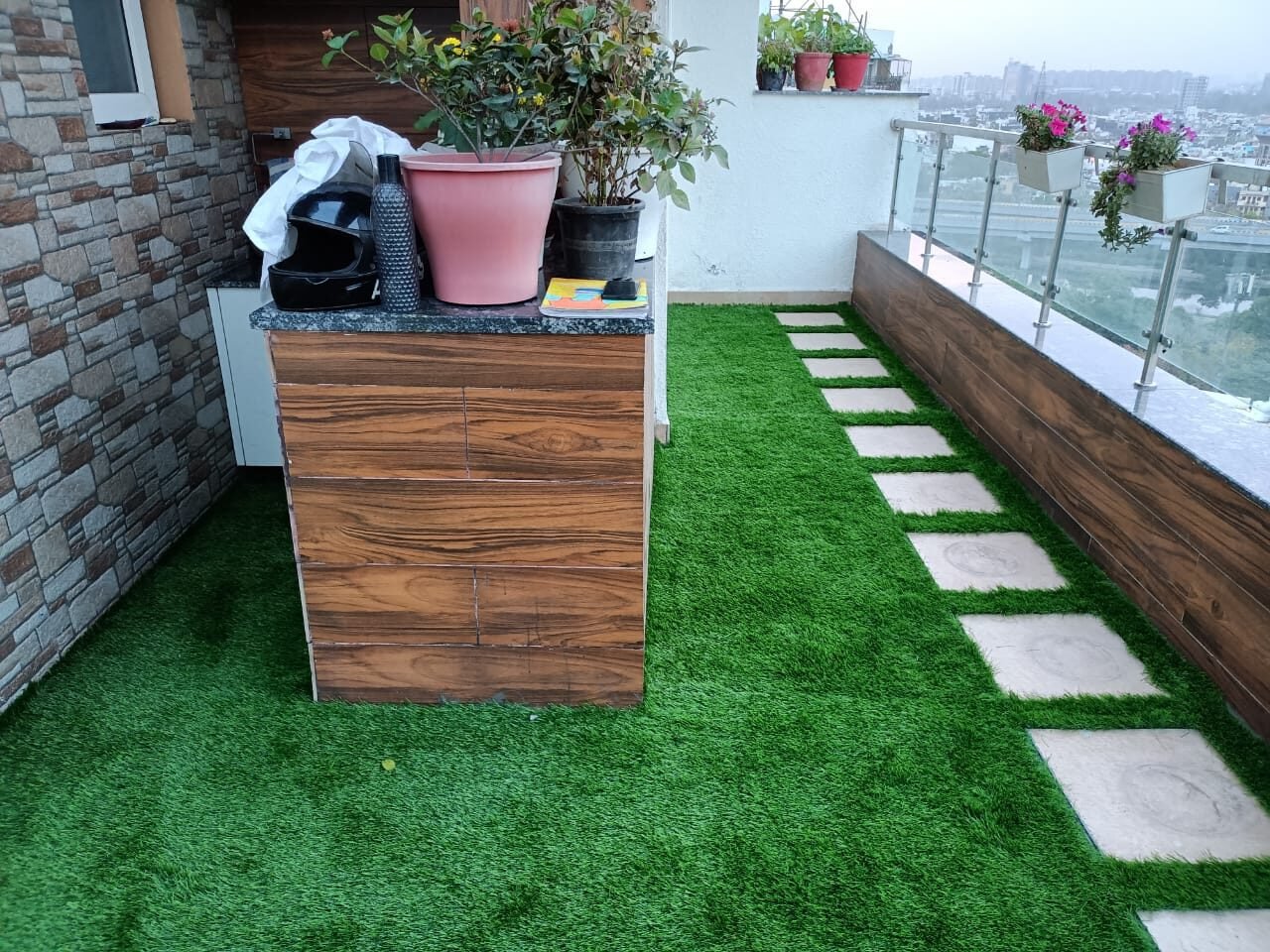
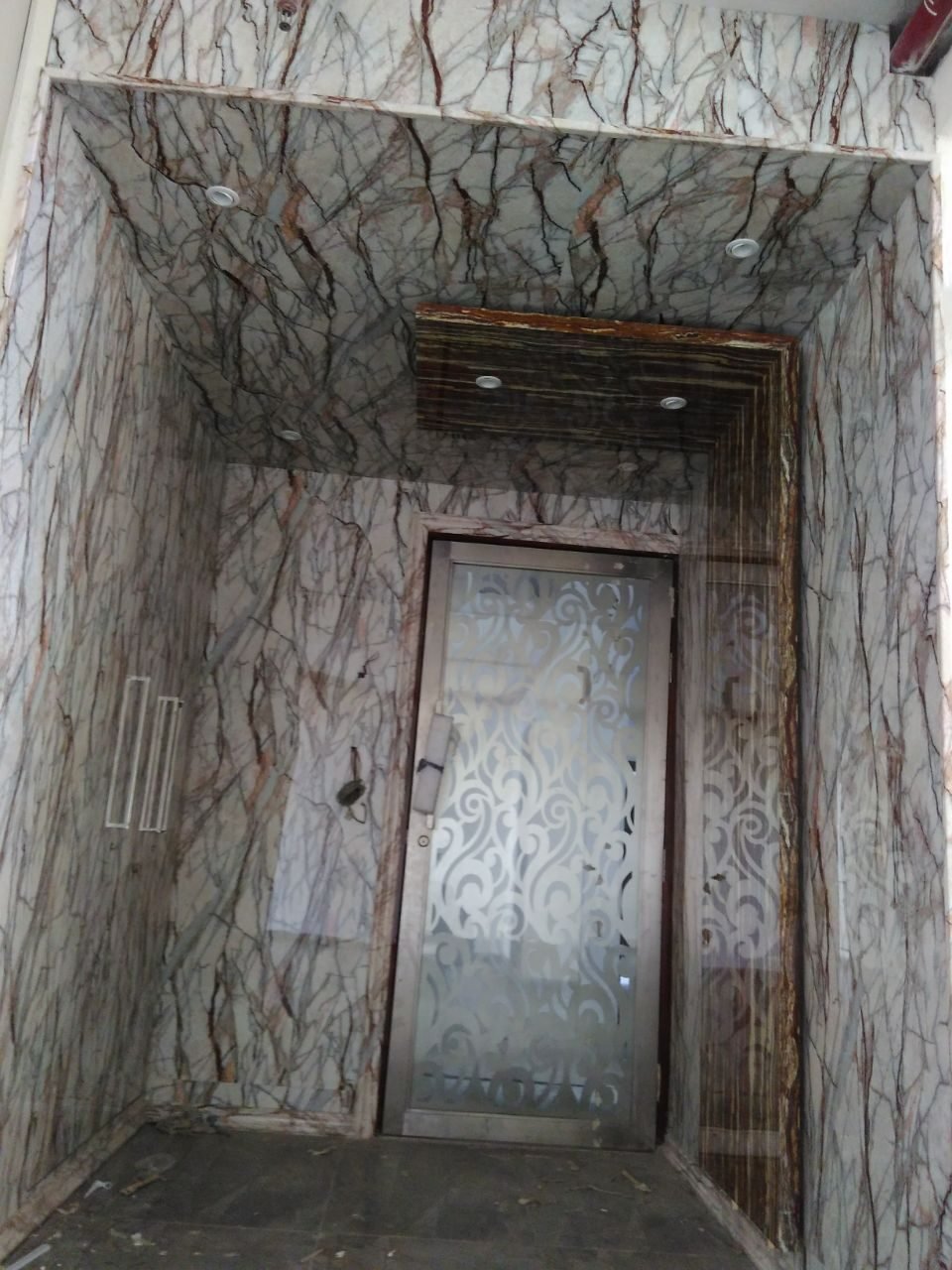
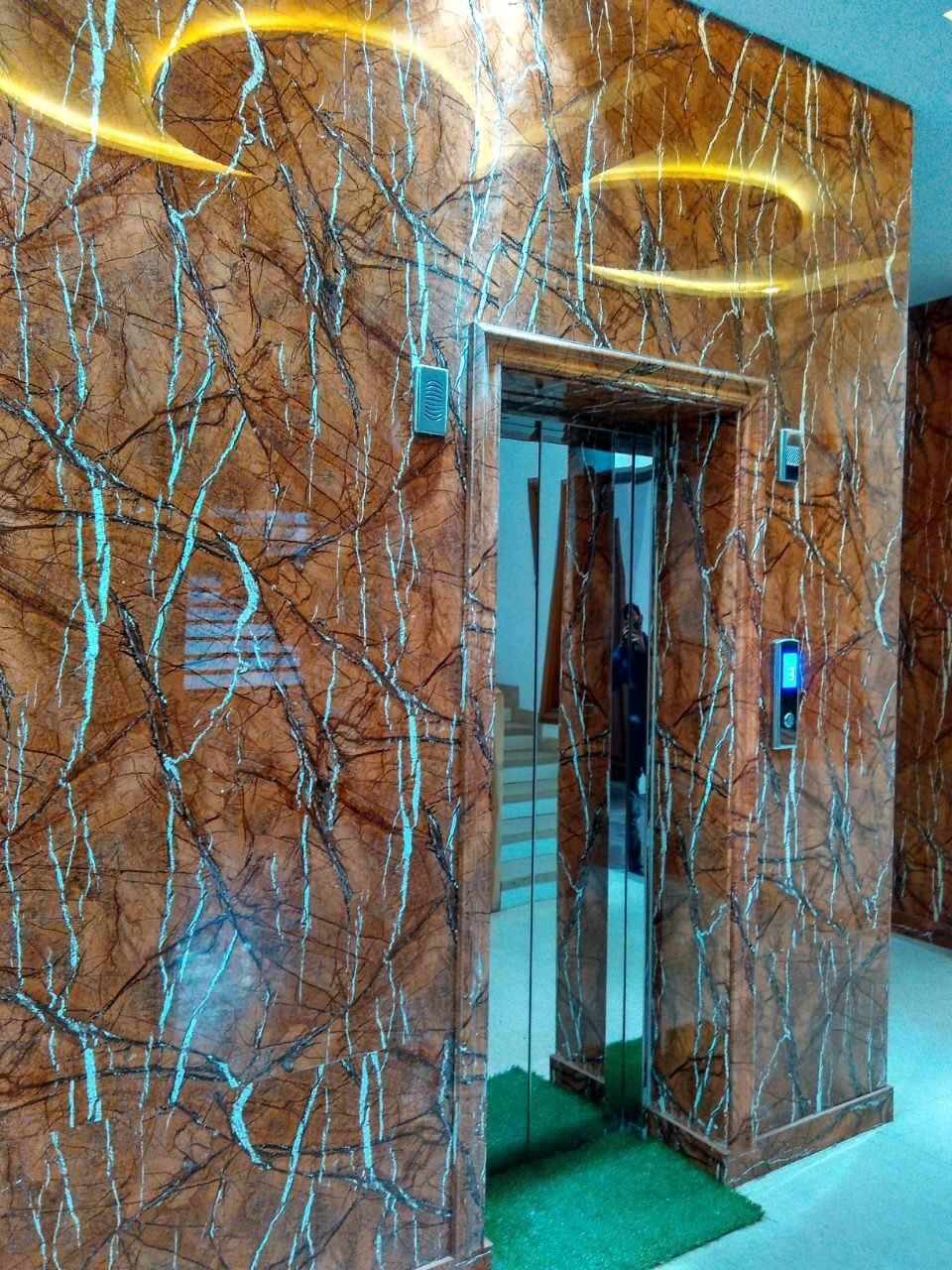
Not every wall wants moulding. Wallpaper, textured panels, stone cladding and fabric-backed panels each solve a different problem — acoustics in a bedroom, scale in a large living room, warmth behind a bed. We specify by what the wall has to do, not by what is trending.
False ceiling and lighting
False ceiling in a Delhi flat does three jobs: it hides ducting and wiring, it carries the lighting, and it lowers the visual height of a room that often feels too tall for its floor area. It also eats headroom, so the design has to earn the inches it takes.
What we build
- Peripheral and cove ceilings with concealed strip lighting
- Full ceilings with recessed spots and profile lights
- Gypsum and POP, specified by room and moisture level
- Ceiling planning around AC ducting, fan points and beams
- Complete electrical — points, wiring, dimming circuits and switch layout
Lighting layers
Most Delhi homes are lit with one bright ceiling light per room, which flattens everything. We plan three layers instead — ambient from the ceiling, task light where people actually read, cook or work, and accent light on panelling, art and joinery. That is what makes a photographed room look like the photograph.
How a panelling or ceiling job actually runs
- Measure and mark. We measure the wall, mark the panel layout in tape on site, and let you see the proportion at full size before anything is cut. This step catches more problems than any drawing does.
- Electrical first. Points, conduits and any rewiring go in before panels close the wall.
- Carcass and framing. Ceiling framing or wall battens, checked for level across the full run.
- Panel and moulding. Cut, fixed, filled and sanded.
- Finish. Primer, two coats, and polish where the material calls for it.
- Lighting and snag. Fittings in, circuits tested, punch list closed with you on site.
Materials, and when each one is right
There is no single best material — there is a right one for the wall in question. Bathrooms, kitchens and external-facing walls in Delhi carry moisture through the year, and MDF will swell there no matter how well it is sealed. Dry internal walls are a different question, and paying for PU everywhere is money that would do more good in the hardware or the lighting.
The same logic applies to ceilings. Gypsum board gives a flatter finish and faster installation; POP is more forgiving on uneven slabs and easier to repair locally. We usually run gypsum in living areas and POP where the slab is out of level, rather than committing the whole flat to one system.
What it costs
- Wall moulding — Rs 180 to Rs 420 per sq ft including material, installation and finishing
- Fluted or slat panelling — Rs 450 to Rs 950 per sq ft depending on material
- TV unit — Rs 45,000 to Rs 2,20,000 depending on size, finish and storage
- False ceiling — Rs 85 to Rs 160 per sq ft for gypsum, plus lighting
- Cove and profile lighting — quoted per running foot with the fitting specified by name
We quote line by line with material grade written in, so you can compare like with like against another estimate rather than guessing what is inside a lump sum.
Frequently asked questions
How much ceiling height does a false ceiling take?
A peripheral cove takes about 4 to 6 inches at the edges and leaves the centre untouched. A full ceiling takes 6 to 9 inches across the room, more if AC ducting has to pass through. In a standard Delhi flat we usually recommend peripheral over full for exactly this reason.
Is PU moulding better than MDF?
For anything near a bathroom, kitchen or external wall, yes — PU and WPC do not swell. In a dry bedroom or living room MDF gives crisper detail at lower cost. We specify per wall rather than picking one for the whole house.
Can you do panelling without redoing the whole room?
Yes. A feature wall, a TV panel or a headboard backdrop is a standalone job, usually 4 to 8 days including paint. Most of our panelling work starts as one wall.
Will the TV unit hide all the cables?
That is the point of planning it at drawing stage. Conduits go in before the panel does, with a service loop and a maintenance access point, so a device can be changed later without opening the joinery.
Do you handle the electrical work too?
Yes — points, wiring, circuits, dimmers and switch plates. Ceiling and lighting are designed together, which is why the light lands where it should rather than wherever a point already existed.
Get a quote for your wall or ceiling
Studio at 50-C, Khasra No. 331-1, Tyagi Mohalla, Chhatarpur, New Delhi 110074, Monday to Saturday 9:00 am to 6:30 pm. Call or WhatsApp +91 87440 41617, or book a free consultation. Related: interior designers in South Delhi & Chhatarpur and turnkey interior design in Delhi.